Theology in the Archive: The Living Memory of Dr Walter Brueggemann
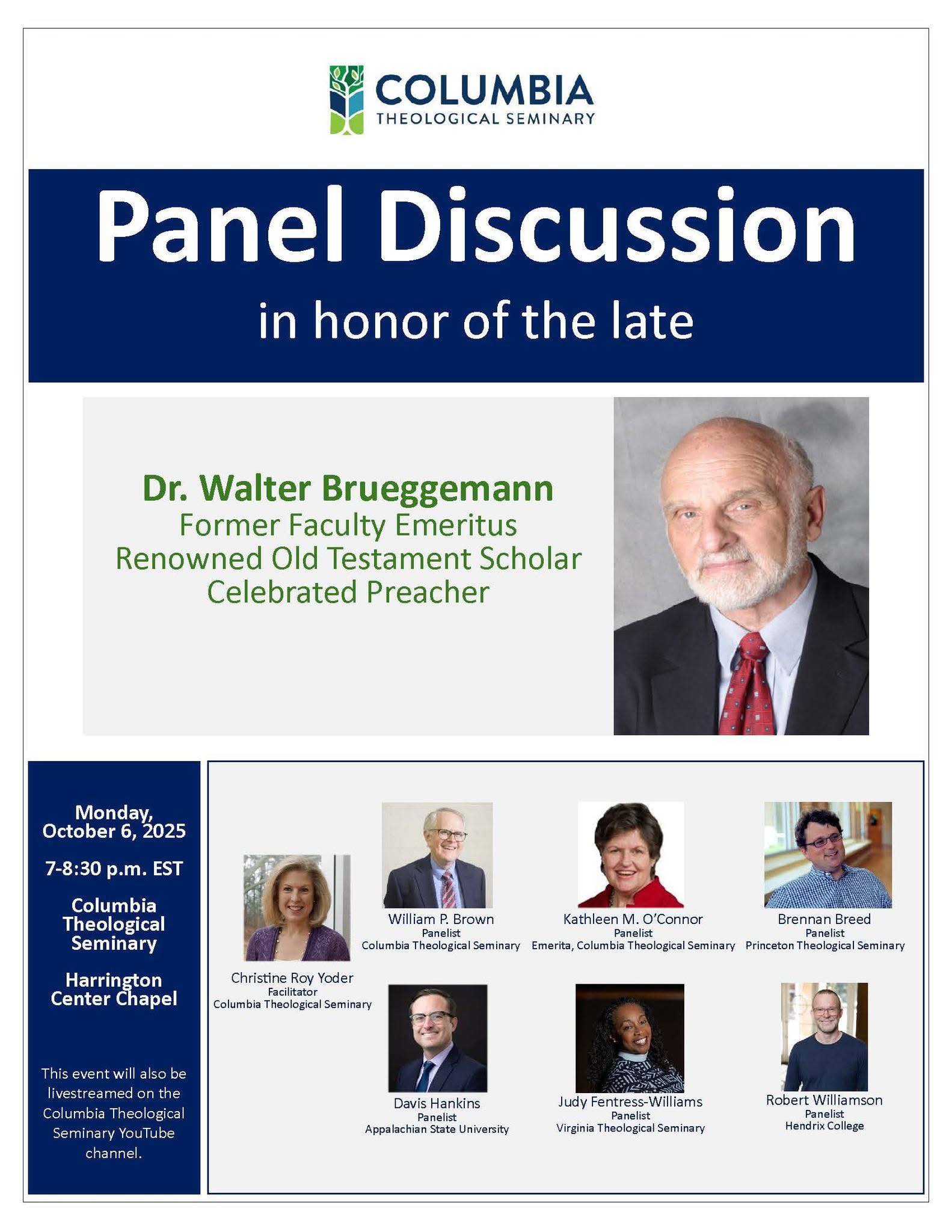
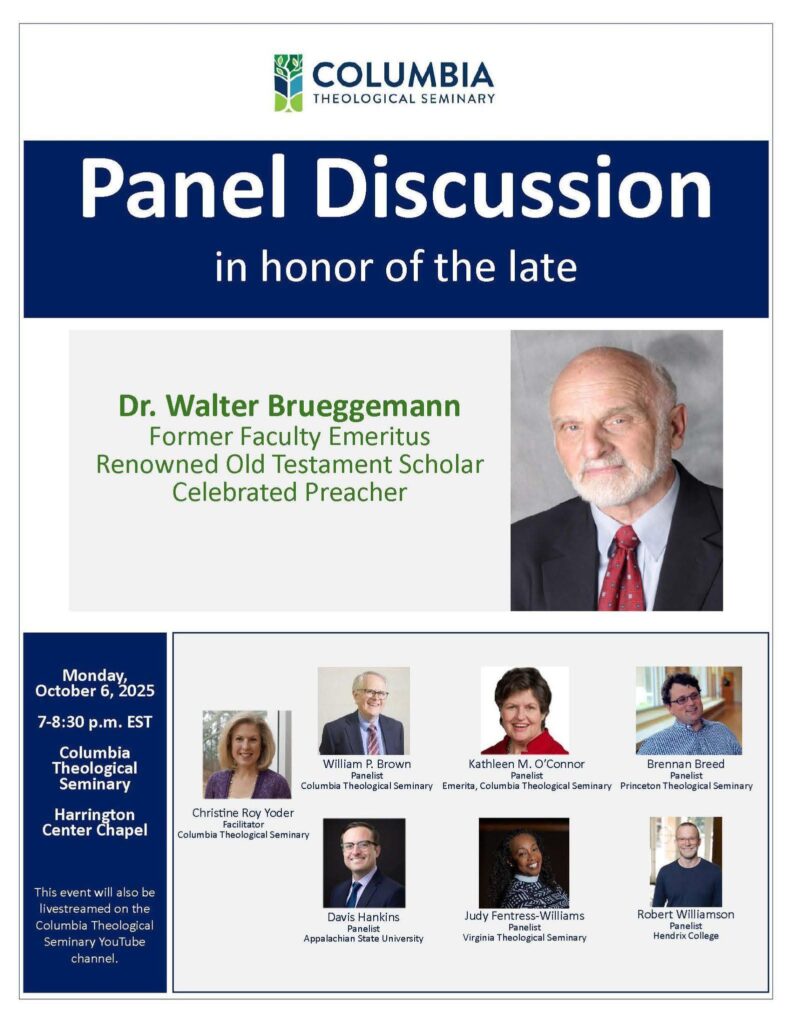
As a new student in Practical Theology, I always look forward to opportunities to attend scholarly gatherings at Columbia Theological Seminary (CTS). On Monday, October 9th, 2025, I joined one such gathering, a Panel Discussion in Honor of the late Dr. Walter Brueggemann, one of the most influential Old Testament scholars of our time. The panel was facilitated by Christine Roy Yoder, with distinguished contributions from William P. Brown (CTS), Brennan Breed (Princeton Theological Seminary), Davis Hankins (Appalachian State University), Kathleen M. O’Connor (Emerita, CTS), Judy Fentress-Williams (Virginia Theological Seminary), and Robert Williamson (Hendrix College).
This time, my attention was drawn not only to the intense theological reflections but also to something that deeply connects with my professional background in library, archival, and information science, and my current responsibility as CTS archive. I was keen on the role of archives in preserving knowledge forever. I was particularly excited when the C. Benton Kline, Jr. Special Collections & Archives team was openly commended for their exemplary work. That recognition caught my heart and increased my curiosity, and so I listened with keen interest to every word that followed. Here are my observations and reflections.
Remembering the Prophet of Imagination
I learn from the discussion that Dr. Walter Brueggemann’s theological impact remains indelible in both academic and church circles. His works, such as The Prophetic Imagination, Theology of the Old Testament, The Message of the Psalms, and Sabbath as Resistance, continue to shape how Christians across the world understand Scripture, faith, and justice.
Panelists shared personal stories of their encounters with Brueggemann. Stories that showed how his teaching and writing carried both prophetic courage and poetic grace. One scholar recalled hearing him pray for the first time, saying, “It wasn’t just prayer; it was poetry meeting prophecy.” Another remembered his striking phrase, “The acids of modernity are dissolving your brain,” which vividly captured the tension between faith and the modern world. From all accounts, I can tell that Brueggemann did more than interpret the Bible; he taught people to dwell within it.
The Hidden Beauty of the Archives
For me, one of the most touching and enlightening moments in the panel came when reference was made to the archivists at the John Bulow Campbell Library. A panelist remarked:
“I haven’t found too much in his published work [on aesthetics], but I want to give a shout-out to the archivists at the John Bulow Campbell Library, particularly Michael Robertson, who dug up a series of lectures from 2006 that Walter gave at the Center for Spirituality at Trinity Episcopal Cathedral in Colorado. These lectures, titled ‘A Remembered Beauty’, explore the theme of aesthetics in relation to Scripture — especially creation, the tabernacle, and the temple — and how these were remembered by people in exile.”
This acknowledgment underscores the vital role of archives in preserving knowledge. Without the dedicated efforts of the CTS archive team, led by Caitlin Reeves Greenamyre, these rare materials might have been lost to history. The lectures, which explore themes of beauty, memory, and exile, now serve as an enduring source of theological reflection and inspiration.
Hearing this, I could not help but feel a deep sense of connection and pride as a professional working in the same archival environment. It was a reminder that the archive is not a storehouse of old papers, but a living treasury of faith, memory, and imagination.
Knowledge Management as Theological Stewardship
In our contemporary era, where knowledge is often scattered across digital platforms, library, archival work and knowledge management have become crucial theological responsibilities. They ensure that sacred wisdom, prophetic voices, and scholarly insights are not lost in the tides of time.
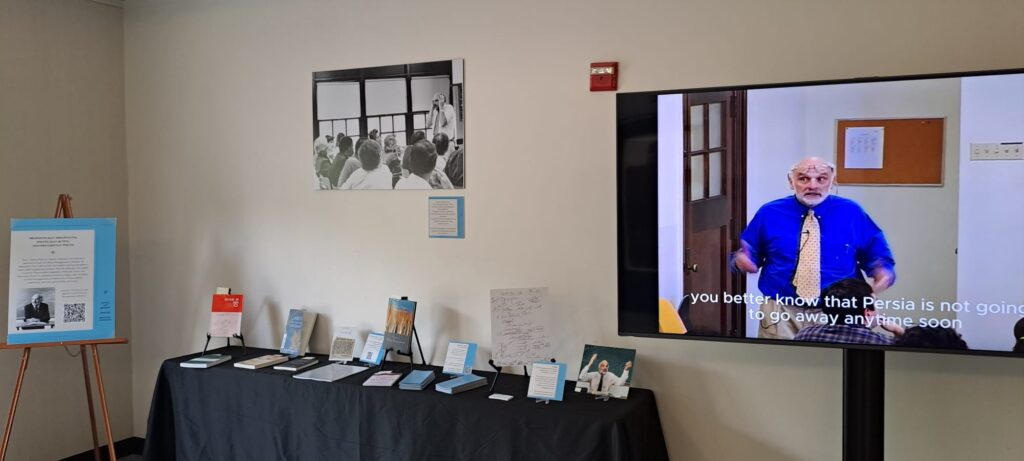
Brueggemann’s rediscovered lectures, A Remembered Beauty, are a testimony to how archival stewardship sustains theological motion. Through preservation and access, archivists become custodians of continuity, thereby safeguarding the past so that future generations may draw inspiration from it.
As I reflected on this, I began to see archival work as a kind of practical theology in itself, an act of ministry, a service of memory, and a commitment to truth. To archive is to witness; to catalogue is to care; and to digitize is to democratize the inheritance of faith.
Conclusion: Practical Theology in Motion — A Wondering
I find myself still wondering about how theology moves. Not only through ideas and sermons, but through memory itself. Perhaps theology remains alive because there are people and places that refuse to let it be forgotten. The rediscovery of Dr. Brueggemann’s unpublished lectures makes me wonder how much beauty might be hidden in the archives, waiting to be found again. Could it be that the C. Benton Kline, Jr. Special Collections & Archives is more than a repository… Could it be seen as a quiet heartbeat keeping theology in motion?
And I wonder, too, about the partnership between theologians and archivists. One speaks the Word; the other ensures it endures. Maybe this is what practical theology truly means. A faith that I remember. As I reflect on Brueggemann’s life and the careful hands that preserved his work, I sense that imagination and memory belong together. Let me conclude and say theology flourishes when someone dares to dream, but it survives because someone else dares to preserve.
___
Ayodele John Alonge
Saturdays 7th October, 2025, 11:00pm (EST)
Marcia Riggs Commons (MRC),
701 S Columbia Decatur, Atlanta Georgia