- Home
- Vocational Discernment
Vocational Discernment
Rising Toward Purpose: Vocational Discernment in Motion
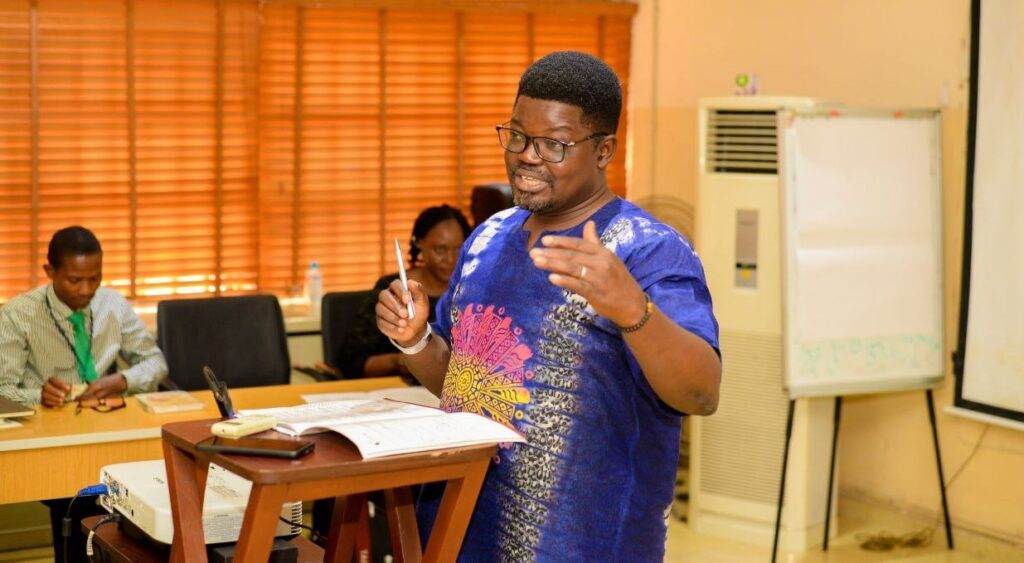
As a lecturer and a professional in library, information, and communication, I have taught and mentored many young people.
The Master of Arts in Practical Theology (MAPT) program at Columbia Theological Seminary has transformed my perspective on education. Now, I see it not just as sharing knowledge, but as helping to transform lives.
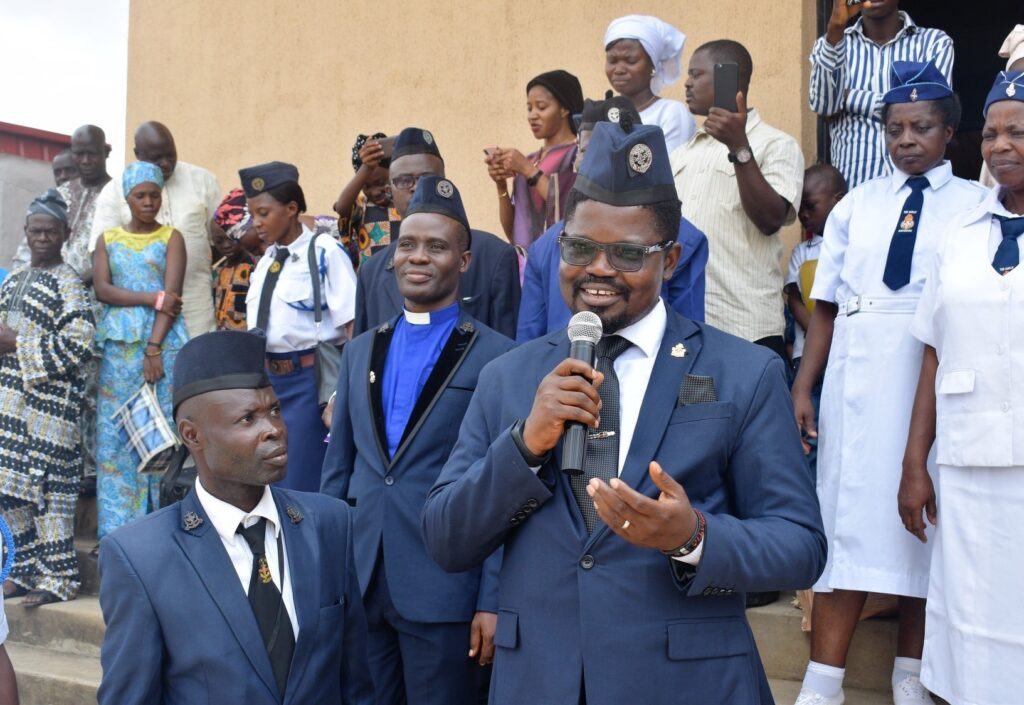
My early experiences with Christian education still shape my sense of calling. Family devotions, Sunday school, the Boys’ Brigade, and singing in the church choir taught me that real education is about building character, not just learning facts.
As John Ruskin wrote, education is “leading human souls to what is best and making what is best out of them.” This idea now guides my work. I want to help others find meaning, healing, and purpose.
Today, I sense God calling me to bring my background in Library, information and communication studies into dialogue with theology — using new media, digital storytelling, and creative expression to make the gospel more accessible in contemporary culture. In a world where screens often shape belief, I feel drawn to help the Church harness these tools for discipleship, worship, and pastoral engagement.
My journey is also leading me toward Clinical Pastoral Education (CPE), where I am learning to listen deeply, care with compassion, and walk with others through pain and change. This feels like a new chapter in my vocation, as I transition from the familiar world of academia into new areas of faith formation and spiritual care.
Each experience in teaching, research, reflection, and care ministry has been a refining flame, preparing me for service at the intersection of faith, formation, and transformation. I pray to remain open to the Spirit’s renewing fire, rising again and again to let my life, words, and work reflect the enduring light of God’s grace.
As I move through the Master of Arts in Practical Theology program at Columbia Theological Seminary, I now see spiritual disciplines as sacred rhythms that refresh my soul, mind, and body, rather than strict duties. These practices help me stay rooted in my faith, keep my spirit steady, and make me more aware of God’s presence in my life. They also support a balanced and healthy life, caring for both my spiritual and physical well-being.
Blogging and journaling have become especially meaningful to me.
On my first day in the program, I started a reflective blog called Practical Theology in Motion, which serves as my open journal and a place to explore new ideas. Each week, I write about what I am learning, unlearning, and relearning as I grow. Writing feels like both a prayer and a mirror, helping me see how God is quietly shaping me through study, community, and service.
Walking and exercise also help me feel centered and restored. Whether I am on the treadmill or outside, I use that time for active meditation by listening to audio Bibles, Christian podcasts, or uplifting worship music. Moving my body becomes a way to renew my spirit, and the steady pace of walking often leads me into prayer. During these times, Scripture sinks deeper into my heart, turning everyday activity into a sacred experience.
I have also started practicing intermittent fasting for both spiritual and health reasons. Fasting gives me time for reflection, prayer, and gratitude. It helps me discipline my body, clear my mind, and remember that spiritual strength often comes from simplicity and letting go.
All of these practices work together to help me let go of distractions, renew my focus, and become more aware of God’s grace each day. They remind me that spiritual growth is not a final goal, but an ongoing journey toward wholeness in Christ.
Up Next:
Read My Ongoing Reflections